People who train hard often run into the same things afterward: sore muscles and tiredness. An Ice Bath, also called cold water immersion, is a popular way to help the body recover. It may ease muscle soreness and leave you feeling fresh after a hard session.
To do it well and safely, it helps to know the water temperature, how long to stay in, and the limits for people with health conditions.
What Is an Ice Bath?
An Ice Bath means sitting in cold water to help tired muscles recover. The water is usually kept at about 10 to 15 degrees Celsius, and a session often lasts about 8 to 15 minutes.
You can go in up to the neck, or just a part of the body, such as the legs, hips or whichever muscles worked hardest. Most people do it after exercise or a match, often within the first 24 hours.
An Ice Bath is a type of cold therapy used for physical recovery. It is popular with athletes, runners, cyclists and anyone who trains often, because it may ease soreness after a tough session.
How Does an Ice Bath Work?
When the body meets cold water, skin and muscle temperature drops. Blood vessels narrow for a short time, so less blood flows into the muscle.
This may help with the pain, swelling and tiredness that show up after exercise.
When you get out and the body warms up again, the blood vessels widen once more. More blood flows back into the muscles.
Because of this, an Ice Bath is often used as part of recovery after exercise.
What an Ice Bath May Do for You
Cold water immersion, used with care, may help the body recover after exercise in a few ways. Results vary from person to person, and an Ice Bath is not medical treatment.
- May help ease muscle soreness
- May help with swelling after exercise
- Can leave muscles feeling more relaxed
- Can leave you feeling fresh after a hard session
- May help you cool down after exercise
Some people also feel more relaxed after a cold plunge.
Who Is an Ice Bath For?
An Ice Bath suits people who put their bodies through heavy or steady training. That includes athletes, runners, footballers, cyclists, people who lift weights, and anyone who trains several times a week.
It is not necessary for everyone, though. If you exercise lightly or moderately, enough rest, water, good food and sleep are still the base of recovery.
How Long Should You Stay in an Ice Bath?
You can start with about 5 to 10 minutes. Never push through if you feel unusually cold.
If you are used to cold water, you can stay longer. As a rule, do not stay much longer than about 15 minutes.
The water does not need to be extremely cold or full of ice. Water at about 10 to 15 degrees Celsius is enough for most people.
How to Do an Ice Bath Safely
Before you start, check the water temperature. Avoid water that is too cold, especially if you are new to this.
Begin with just your legs or lower body, for about 5 minutes. If nothing feels wrong, you can add time slowly.
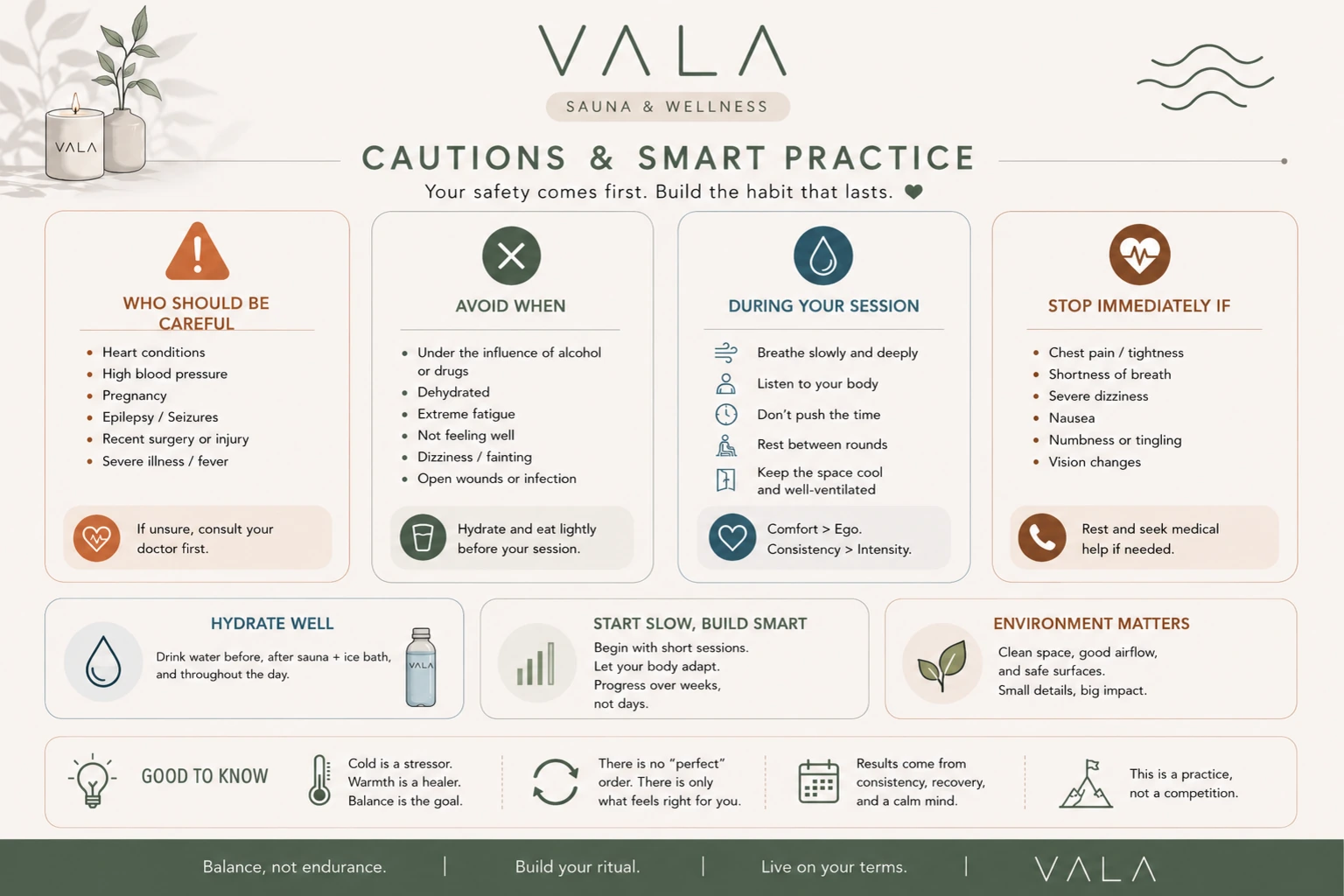
While you are in, notice how you feel. If you feel faint, your heart pounds, your chest hurts, it is hard to breathe, or you feel yourself getting very cold, get out right away.
After you get out, dry off, put on warm clothes, and let your body warm up slowly.
Ice Bath Safety Notes
An Ice Bath is popular, but cold can affect the heart and blood vessels, especially when you get into cold water quickly.
If you have a health condition, ask a doctor before you try an Ice Bath. This matters most if you have:
- Heart disease
- High blood pressure
- Circulation problems
- Diabetes
- Certain breathing conditions
Do not stay in cold water too long. Staying in for too long can lower your body temperature below normal and put extra strain on the heart.
Possible Side Effects of an Ice Bath
Side effects from cold differ from person to person. They can include red skin, numbness, peeling skin, feeling faint, changes in blood pressure, a pounding or fast heartbeat, and, after a long time in very cold water, cold injury to the skin.
If you have asthma or another breathing condition, take extra care. Cold can trigger symptoms in some people.
If you have chest pain, trouble breathing, you pass out, or your heartbeat feels uneven, get out right away and see a doctor.
Who Should Avoid an Ice Bath?
These people should avoid an Ice Bath, or ask a doctor first:
- Pregnant women
- People with heart disease
- People with high blood pressure that is not well controlled
- People with circulation problems
- People with health conditions that are sensitive to changes in temperature
Does an Ice Bath Help Muscles Recover?
An Ice Bath is one tool for physical recovery. It may help most during weeks of steady training or competition, when you want to ease soreness after exercise.
It should not be your only way to recover, though. Enough sleep, enough protein and other nutrients, water, and rest days still matter most for muscles.
If you train hard, keep getting the same injury, or live with a health condition, talk to a sports doctor, physiotherapist or other specialist before you start. They can help you make a recovery plan that is safe and right for you.
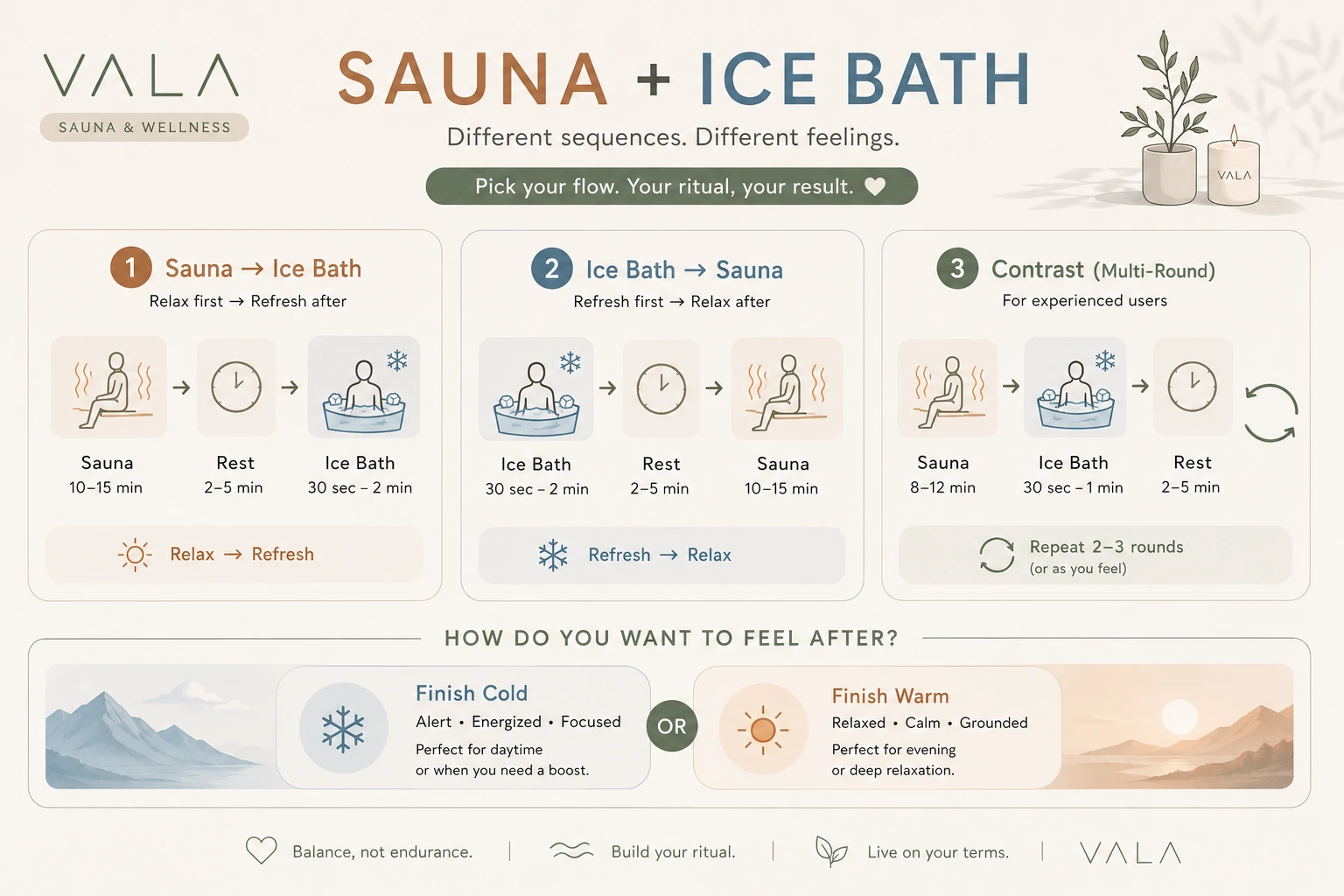
If you want to try an Ice Bath, Vala Sauna in Hat Yai is a calm place to ease into cold water. It also pairs well with our sauna if you want to try going between hot and cold.
Not sure an Ice Bath is right for you, or want to check that there is space? Message us on LINE before you come. We are a small, family-run place in Hat Yai, and we are happy to help you choose a time that feels easy for your first visit.